Skip to content
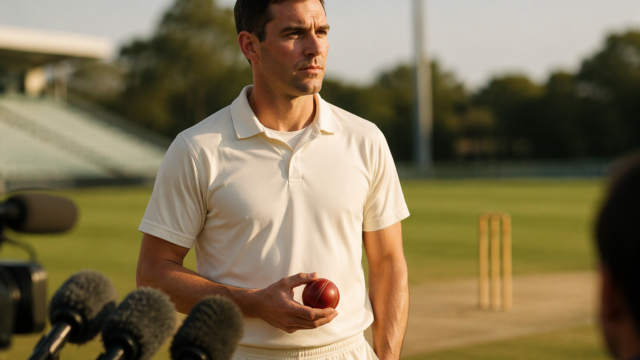
Hours before the Australia vs England ODI at Perth Stadium, Pat Cummins delivered an hour-long defense of his team. The Australia Test captain is not playing in this white-ball series against the old enemy. Still, he commanded center stage well before the scheduled 11.30am AWST start time.
Australia arrived in Western Australia looking for a clean break. A bruising Test series defeat in South Africa left the national side eager to change gears. Instead, an old storm from Cape Town followed them straight into the dressing room.
Also read: Australia vs England ODI: Perth Hosts Series Opener
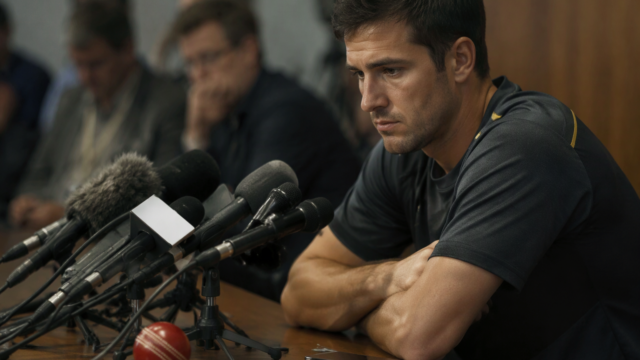
Cummins spent more than an hour answering reporters without even pausing for a drinks break. His goal was simple but daunting. He wanted to counter explosive claims that threaten to overshadow this fresh international campaign.
Why the Australia vs England ODI took a back seat
The sudden controversy erupted following the release of Usman Khawaja’s new memoir, Sabr, published on Tuesday. In the book and media appearances, Khawaja alleged that the entire Australian team knew about the 2018 ball-tampering incident. Those accusations revived memories of a sandpaper scandal that rocked cricket eight and a half years ago.
Rather than previewing tactical plans, reporters pressed Cummins on his recollections of that infamous South African tour. The Test captain strongly rejected Khawaja’s version of events. Because of that clash, the Australia vs England ODI suddenly shared top billing with past grievances.
Fans expecting talk of team selections heard detailed arguments about sandpaper and team culture instead. It created an awkward backdrop for an encounter between historic rivals. Both squads had hoped to begin their white-ball campaign with total focus on the field.
The timing could hardly have been worse for Australia’s white-ball leaders. Team meetings usually dedicated to analyzing English batters were disrupted by questions about eight-year-old events. Even before a ball was bowled, Cummins had to absorb the blow on behalf of his colleagues.
Cummins rejects Khawaja’s Cape Town claims
Pat Cummins made his position completely clear during his extended media appearance. He denied Khawaja’s claim that every player in the touring party bore responsibility for what happened in Cape Town. His comments directly challenged statements made by his long-time international teammate.
Khawaja spent the days before and after Tuesday’s book launch speaking widely across television and print outlets. His words reopened deep wounds across Australian cricket. Cummins chose to confront those statements head-on rather than letting the narrative fester.
The captain’s fiery defense showed how sensitive the sandpaper scandal remains after nearly a decade. Cummins answered every single question thrown his way before finally exiting the room. He hoped his intervention would allow the playing group to concentrate on England.
Cummins also made sure to clarify his personal memories from that dark week in South Africa. He stressed that team members were not universally aware of illegal tactics being planned. By confronting the claims in detail, he sought to set the record straight once and for all.
How the Australia vs England ODI shapes World Cup prep
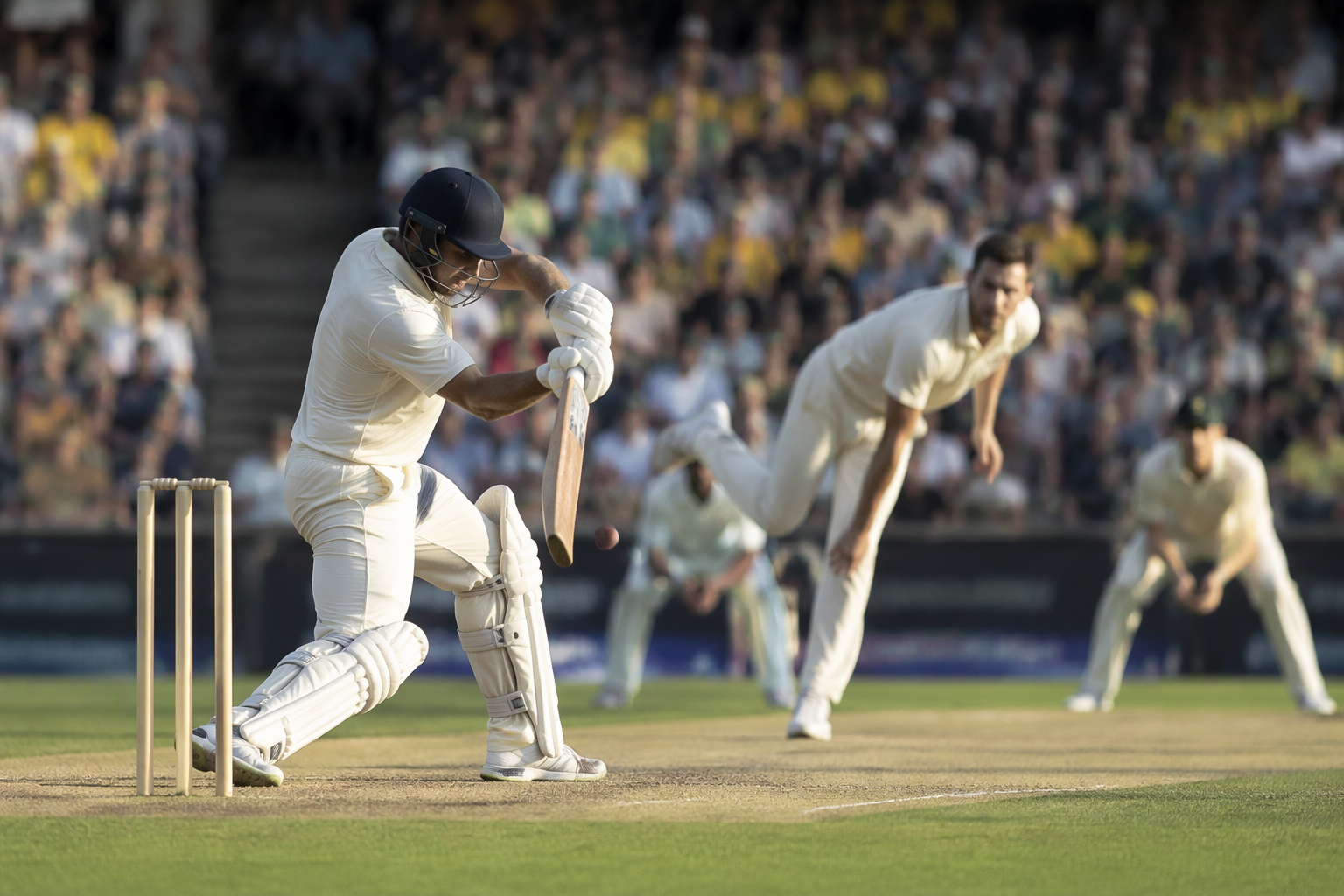
Beyond the off-field drama, this Australia vs England ODI carries real weight on the pitch. The fixture opens a stretch of eight white-ball matches between the sides, including three ODIs and five T20Is. It also marks an important step toward the upcoming men’s Cricket World Cup.
With that global tournament arriving in less than 12 months, 50-over opportunities are precious. Both teams need to identify their strongest combinations against high-class opposition. A three-match series against England provides an immediate benchmark for Australia’s white-ball depth.
The hosts must also prove they can block out external noise when under scrutiny. England will gladly exploit any lingering hesitation or lack of harmony. Perth Stadium offers true bounce and rapid pace, rewarding teams that attack with clarity from ball one.
International 50-over fixtures have grown rare on the modern cricket calendar. Each match between these traditional foes offers selectors a vital look at player execution under pressure. Neither captain wants to concede early momentum in a World Cup cycle.
What happens next on the white-ball schedule
Both teams face a relentless schedule over the coming weeks as this rivalry shifts across formats. After completing three 50-over matches, they will dive straight into five T20 internationals. For players fighting for global tournament spots, every inning carries huge consequences.
Australia need quick victories to turn the conversation back toward cricket results. Winning the Australia vs England ODI series opener gives the home side immediate relief after a chaotic morning. A poor performance, however, will only invite more scrutiny from critics.
England also view this visit as a proving ground ahead of next year’s major tournament. White-ball battles between these two sides rarely lack edge, regardless of who captains the team. A strong start in Western Australia sets the tone for the entire eight-game trip.
The action began at 11.30am AWST in Perth, with the series moving quickly toward the second one-day fixture.
Source: Guardian Sport