 Skip to content
Eight years after Cape Town, Ian Healy believes every player who hid the truth on the 2018 sandpaper tour will be remembered as a liar forever. The former Australian vice-captain did not hold back on Wednesday, taking aim at teammates who kept quiet during the original investigation only to drop bombshells years later.
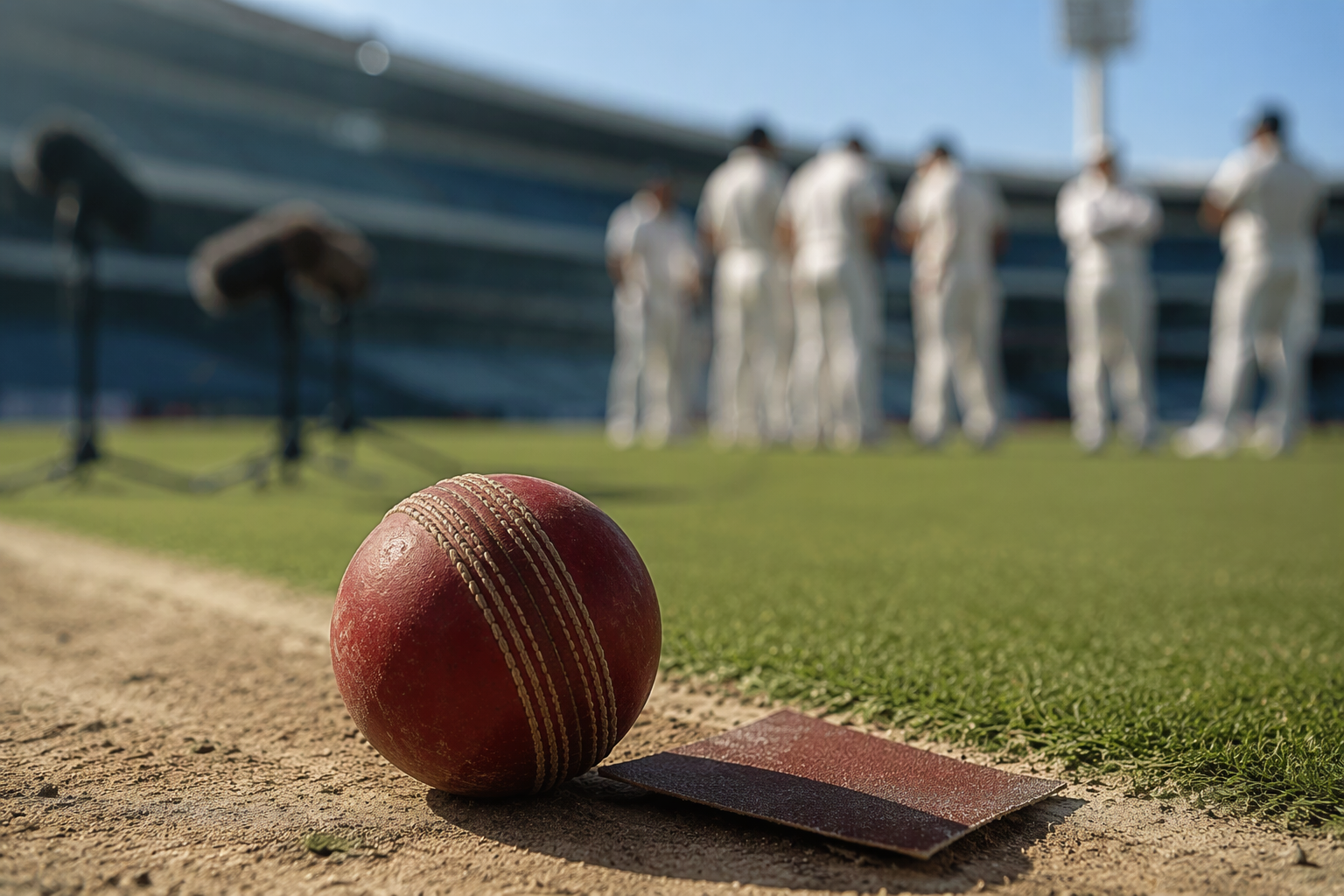
His furious comments landed just hours before Cricket Australia scrambled to contain a fresh civil war. Standing next to a children’s playground outside Hobart’s Bellerive Oval, interim chair David Boon and chief executive Todd Greenberg announced an independent confidential forum for players and staff to air their stories.
Also read: Sandpaper scandal: Cricket Australia opens forum
The move matters because Australian cricket is tearing itself apart in public again. If you thought the ball-tampering scandal was buried, the dressing room fault lines have blown wide open over who actually knew about the plan.
Why the sandpaper tour reopened old wounds
The bitter feud reignited with the release of Usman Khawaja’s autobiography, Sabr. Khawaja wrote that ball-tampering with sandpaper occurred earlier in that 2018 series against South Africa, well before Cameron Bancroft shoved yellow tape down his trousers.
Khawaja also claimed knowledge of the tactic went beyond the banned trio of Bancroft, Steve Smith and David Warner. Those allegations blew the lid off the dressing room hierarchy. Both Warner and reserve bowler Chadd Sayers backed Khawaja’s account, while current Test captain Pat Cummins pushed back hard in a marathon Sydney press conference.
Reports then emerged that Cameron Bancroft is ready to share his own side of the story. Such a move could leave Cummins vulnerable if his previous public denials contradict Bancroft’s testimony. Cricket Australia quickly intervened before Bancroft spoke publicly.
Healy calls out guilty whistleblowers from the sandpaper tour
Healy had no patience for the sudden wave of honesty from players who kept their heads down back in 2018. Speaking on SEN radio, the legendary wicketkeeper argued that staying silent back then stripped everyone of any moral high ground.
“They didn’t come forward when it was saveable, now there’s a massive stain on cricket and they’ll be known as liars forever.”
Healy also questioned why Usman Khawaja felt the need to bring the saga back to life. He argued that Khawaja was neither involved in the tampering nor punished for it.
“There is no reason this should have been rehashed,” Healy said. “This was not Uzzy’s story to tell, he wasn’t involved and didn’t do anything. Why write about that? He should have done it the day after the occurrence. It’s Davey’s book to write.”
Cricket Australia sets up a closed-door safety valve
Boon and Greenberg hope a formal hearing will act as an immediate circuit breaker. The forum will run under the guidance of an independent senior legal figure over the next month, and participation remains optional.
Greenberg stressed that the forum will not hand out fresh bans or re-litigate old punishments. Instead, Cricket Australia wants to provide a safe space where players can talk without fear of retribution. Former coach Darren Lehmann, who stepped down after the Cape Town disaster, quickly praised the plan as a light at the end of the tunnel.
Still, Greenberg faced awkward questions about whether Cummins or Khawaja is lying to the public. He offered a diplomatic defence, arguing that two people can possess contrasting versions of the truth. But that middle ground satisfied almost nobody who lived through the fallout of that fateful sandpaper tour.
What Khawaja and Warner want from the inquiry
Both Khawaja and Warner immediately spotted a flaw in the governing body’s proposal. While participants can speak freely, the Cricket Australia board retains the final say on what findings reach the public.
Speaking on Fox Cricket, Khawaja warned that filtering witness accounts through board members ruins the integrity of the entire exercise. Warner echoed those worries, asking whether the process will deliver genuine transparency or just another public relations shield.
The governing body faces a critical test of credibility as it tries to steady the national team. Here is what is currently on the table for the new forum:
- Confidential witness sessions chaired by a senior legal figure.
- No new bans or sanctions for any player or coach.
- A strict one-month timeline to collect all player submissions.
- Full board discretion over what conclusions get released.
Former players must now decide over the next four weeks whether to submit their evidence to the independent chair or keep their memories to themselves.
Source: Guardian Sport


