 Skip to content
Hundreds of former players pursuing rugby brain injury lawsuits face the immediate collapse of their claims. Only 36 of the 385 players in the union action have produced formal letters of diagnosis. That courtroom disclosure left the historic case hanging by a thread after six years of expensive legal argument.
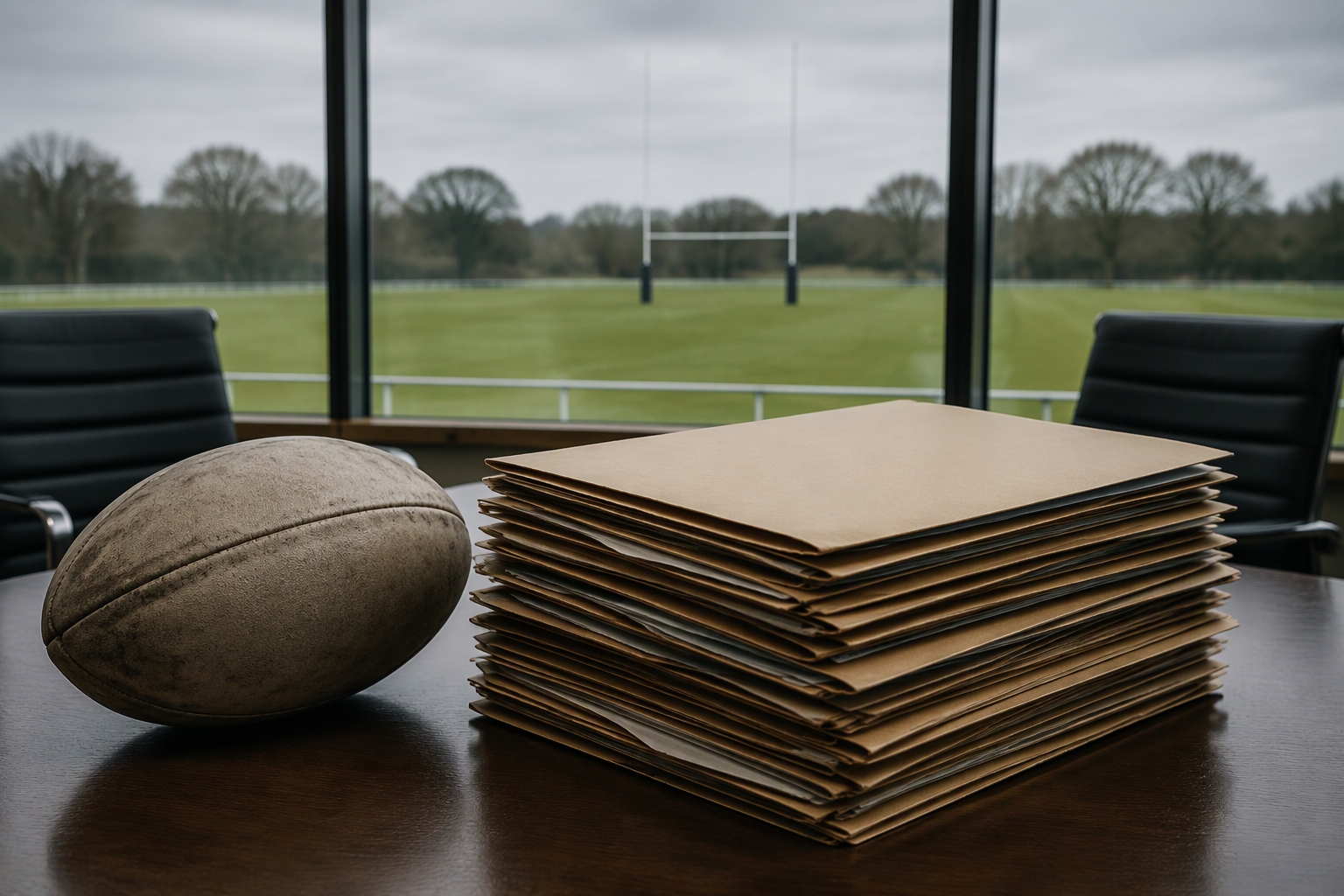
If you follow rugby, the stakes in this courtroom fight could hardly be higher. The litigation challenges governing bodies over long-term brain trauma, threatening immense financial and reputational fallout across the sport. Yet a trial scheduled for next October cannot select test cases because medical paperwork has not arrived.
Also read: Rugby League World Cup triumph hides UK TV crisis
Lead counsel Paul Downes KC conceded in June that claimants were already in the “last-chance saloon” after missing deadlines. The claimants then missed another court-mandated disclosure deadline this October. Defense lawyers representing World Rugby, the Rugby Football Union and the Welsh Rugby Union responded that “there is no watering hole” in sight.
Why rugby brain injury lawsuits face immediate dismissal
The latest High Court hearings were supposed to move both sides toward selecting specific test cases for trial. Instead, proceedings turned into a battle over whether the lawsuits should be struck out for breaching court orders. Governing bodies argue they cannot prepare defenses without seeing the basic medical documents promised months ago.
The claimants already received relief from sanctions once before to keep their claims alive. Now their legal team is asking for another extension until January to deliver the missing records. World Rugby, the RFU and the WRU maintain that continuous delays make a fair trial timetable impossible.
Can the court justify another delay when previous court orders were repeatedly breached? The claimants insist striking out the action punishes injured athletes who trusted their legal representatives. The defense contends that continuous default strips defendants of their basic right to prepare an answer.
Chaos inside the claimant legal operation
The roots of the crisis trace back to how the litigation was managed before KP Law took over in June. The files originally belonged to Rylands Garth, a firm that has since left the proceedings entirely. Downes offered an unsparing assessment in court on Thursday, labelling the state of the case under previous solicitors as “shambolic.”
Downes described the work of Rylands Garth before the bench as an “incredible failure.” He told the court that the previous firm kept no universal database of client documents. Rylands Garth also refused to share files until reaching “some sort of exit agreement” over fees with KP Law.
The consequences of that disarray burst open during the disclosure review. The court learned that just 36 union claimants had letters confirming their diagnosis. That omission prompted an immediate, sharp intervention from the bench.
“It seems remarkable that anyone has been onboarded without a letter of diagnosis.”
Mr Justice Cotter voiced disbelief that players were signed up without primary medical proof on file. While players believed their cases were advancing, their legal files lacked the foundational proof required to proceed.
How rugby brain injury lawsuits reached the brink
Despite the disorder, KP Law argued that the rugby brain injury lawsuits are finally receiving proper management. The new firm disclosed an additional 2,000 documents concerning medical testing since taking over during the summer. Downes insisted that “more has been achieved in the last 99 days than in the previous three years.”
That flurry of recent activity underpins arguments that the rugby brain injury lawsuits should not be extinguished. Downes contended that genuine progress has replaced years of inertia, even if vast document gaps remain. He urged the court not to wipe away the claims while administrative progress is being delivered.
The defendants view that surge as far too little and far too late to salvage next autumn’s trial. World Rugby and the national unions argue that a trial cannot proceed if claimant shortlists remain blocked. They insist that granting extra time until January simply rewards serial non-compliance.
What judges Cook and Cotter must decide next
The ultimate survival of the rugby brain injury lawsuits now rests with Senior Master Cook and Mr Justice Cotter. The two judges must decide whether to grant the January extension or strike out the litigation. Downes made a final plea to preserve the athletes’ claims despite the failures of their former solicitors.
“If it can be saved, it is my submission that it should be saved,” Downes told the courtroom. He asked judges to allow KP Law the few extra months needed to bring claims into compliance. For hundreds of former players suffering neurological decline, that decision represents their entire chance at justice.
Senior Master Cook and Mr Justice Cotter will deliver their ruling on whether to grant the January extension or strike out the lawsuits in the coming days.
Source: Guardian Sport


