Skip to content
Scrapping the traditional 3pm TV blackout would put matchday income at risk across the country, Greater Manchester Mayor Andy Burnham has warned.
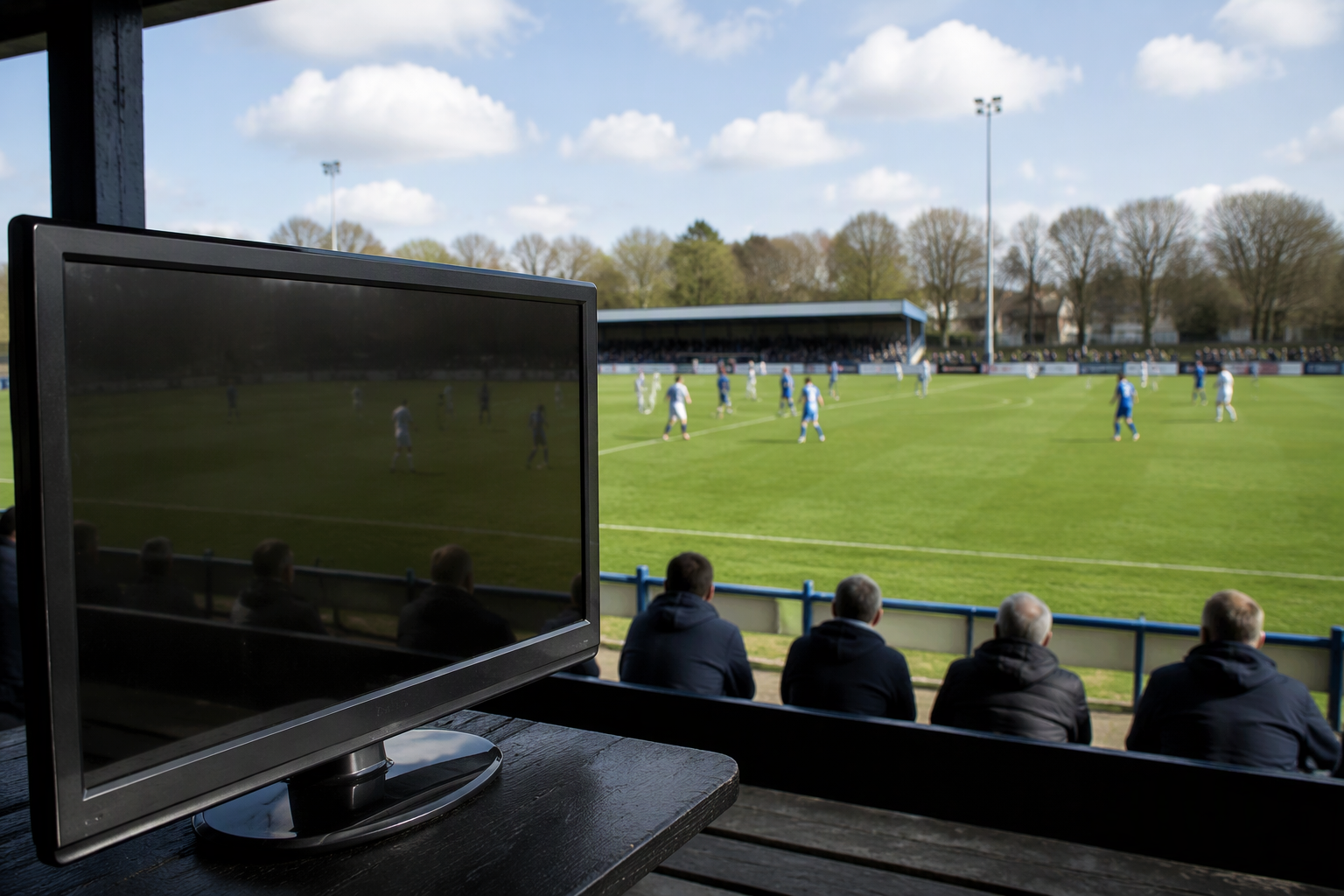
Burnham wants the long-standing television ban preserved so supporters keep turning up at turnstiles rather than staying home on the sofa. For millions of match-going fans across England and Scotland, Saturday afternoon football remains the core of the weekend, and Burnham argues that protecting that culture matters far more than expanding live television access.
Also read: Nations League quarter-finals: Who England could face
The debate has reignited because the broadcast landscape faces a major shake-up at the end of the decade. Broadcasters want more inventory, but Burnham insists the grassroots structure must take precedence over consumer convenience.
Why the 3pm TV blackout still shields lower tiers
The core argument against lifting the restriction rests on ticket sales. If top-flight fixtures air continuously throughout Saturday afternoons, smaller teams fear their attendance numbers will dwindle fast.
Burnham pointed out that gate receipts remain the lifeblood of teams down the pyramid. Without ticket revenue and secondary matchday spending, many sides simply cannot survive.
“I would urge a bit of caution [on the blackout], because it does protect the income of lower-league clubs,” Burnham said.
He explained that unhindered television coverage of elite clubs could alter supporter habits permanently. Fans who currently attend local matches might easily choose armchair viewing instead.
“If you have effectively wall-to-wall Premier League football at any time, it takes away perhaps the incentive to go and watch the football league or non-league.”
Burnham stressed that policy decisions cannot focus solely on television subscribers. He wants administrators to measure the collective health of clubs across all divisions before agreeing to any media changes.
“So I think it has to be considered carefully,” he noted. “I’m not going to take the pure consumer view here. I’ll take the health-of-football approach to this particular issue.”
How the 1960s rule and Article 48 actually work
English football first introduced the restriction back in the 1960s to safeguard lower-league crowds. Football leaders realised early on that live broadcasts would eat away at match attendance across the regional divisions.
Today, the blackout specifically bans domestic broadcasters from showing any live football between 2:45pm and 5:15pm on Saturdays. The rule applies across the UK and governs both domestic games and foreign fixtures.
Article 48 of the Uefa Statutes provides the formal legal backing for the transmission ban. The English Football Association and Scottish Football Association enforce the measure jointly within their territories.
The blackout takes effect whenever at least 50% of matches in the top two divisions kick off at 3pm. Under this framework, only one historic domestic fixture enjoys an exception to the rule: the traditional 3pm FA Cup final.
Beyond that single afternoon, the domestic blackout window remains sealed tight to keep regional terraces full.
Pressure builds around the 3pm TV blackout for 2028-29
Commercial demands continue to challenge the long-standing blackout. Broadcasters continually search for ways to air more live matches and attract new subscribers.
Currently, the top flight operates under a record £6.7bn domestic Premier League TV deal. That agreement allows Sky Sports and TNT Sports to broadcast up to 270 live games per season.
Yet the existing broadcasting cycle will not last forever. Rights contracts for the Premier League, the EFL and the SPFL will all expire simultaneously at the conclusion of the 2028-29 season.
Because every major domestic contract ends at the same time, the 2028-29 renewal window opens the door for fundamental changes. Rights holders see Saturday afternoon as prime real estate, and some executives want the 3pm TV blackout reconsidered during future negotiations.
Burnham rejects the rush to flood screens with afternoon broadcasts. He maintains that preserving the traditional matchday experience for stadium-going supporters must remain the top priority for lawmakers and sports authorities.
“I would first of all want to protect the football pyramid before I agree to saying ‘let’s have even more live football,'” Burnham said. “I think it’s about protecting the experience with the paying supporter, protecting the football pyramid. Those issues matter to me, first of all.”
Where the broadcasters, leagues and politicians stand
Different governing bodies view the blackout through varying lenses. North of the border, the SPFL announced in October that it remains flexible about the total number of games included in its next broadcast contract.
That flexibility could include televised Scottish games during Saturday afternoons. Meanwhile, Premier League chief executive Richard Masters has acknowledged that clubs and broadcast partners will eventually have to confront the rule’s future.
Politicians in Westminster are also watching the debate closely. The Prime Minister stated that any move to abolish the television ban demands rigorous evaluation of the consequences for communities across the UK.
With all major domestic television rights packages set to expire in 2028-29, the formal battle over whether to abolish or protect the Saturday 3pm TV blackout will be settled during the next broadcast bidding cycle.
Source: BBC Sport